
How Seasonal Changes Affect Business Strategy in Uganda


Understanding Seasonal Changes in Uganda
Uganda, located near the equator, experiences a tropical climate with distinct wet and dry seasons. These seasonal variations significantly impact various aspects of life, including business operations. Understanding how these changes affect business strategy is crucial for companies looking to thrive in this dynamic environment.
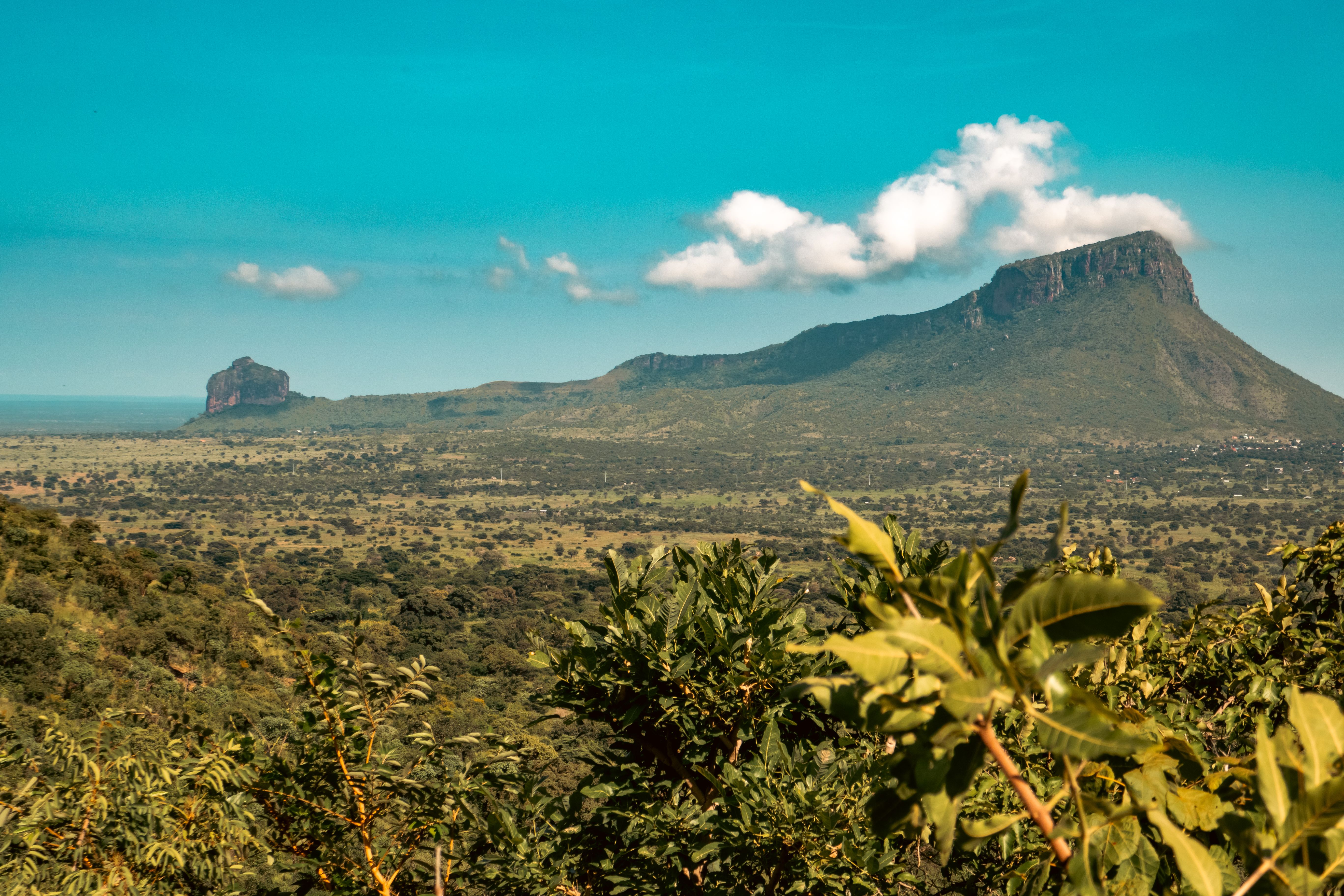
Impact on Agriculture
Agriculture is a vital sector in Uganda's economy, employing a significant portion of the population. The two main rainy seasons, from March to May and September to November, are critical for crop production. Businesses in the agricultural sector must align their strategies with these periods to optimize planting and harvesting.
During the dry seasons, which typically occur from December to February and June to August, irrigation becomes essential. Companies that provide irrigation solutions or drought-resistant seeds can benefit from increased demand during these times.
Retail and Consumer Behavior
The changing seasons also influence consumer behavior, affecting retail businesses. For example, during the rainy seasons, there might be an increase in demand for items like umbrellas, raincoats, and gumboots. Retailers can adjust their inventory and marketing strategies to capitalize on these seasonal needs.
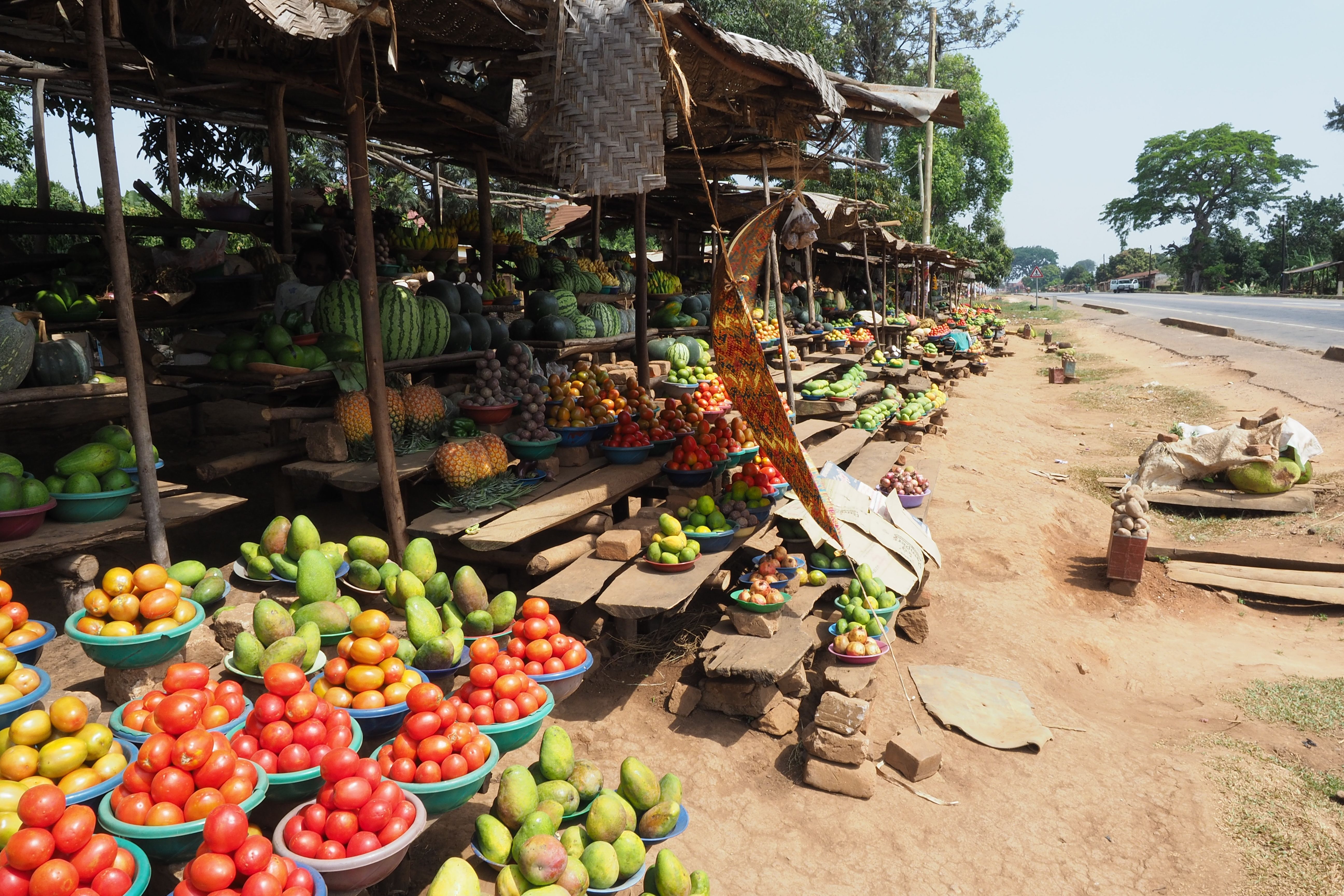
Moreover, the festive season in December often leads to a surge in shopping and consumer spending. Businesses can leverage this period by offering promotions and discounts to attract more customers.
Tourism and Hospitality Industry
Uganda's tourism industry is highly sensitive to seasonal changes. The dry seasons are generally more favorable for tourism, as wildlife is easier to spot and roads are more accessible. Businesses in the hospitality sector can tailor their marketing efforts to attract tourists during these peak periods.
Conversely, during the wet seasons, some tourist activities may be limited. Hotels and tour operators can offer special packages or indoor experiences to maintain visitor interest.

Logistics and Transportation
Seasonal changes in Uganda also pose challenges to logistics and transportation. The wet seasons can lead to poor road conditions, affecting the timely delivery of goods. Businesses involved in logistics must plan for potential delays and consider alternative routes or transportation methods.
Investing in robust supply chain management strategies can help businesses mitigate the risks associated with seasonal transportation disruptions.
Conclusion
In conclusion, understanding the impact of seasonal changes on business strategy in Uganda is essential for success. By aligning their operations with the climatic patterns, businesses can optimize their performance and capitalize on opportunities throughout the year. Whether it's adjusting agricultural practices, adapting retail strategies, or enhancing logistical planning, a proactive approach can make a significant difference.